Inside the Influencer Economy: What Creators Really Earn in 2025–2026
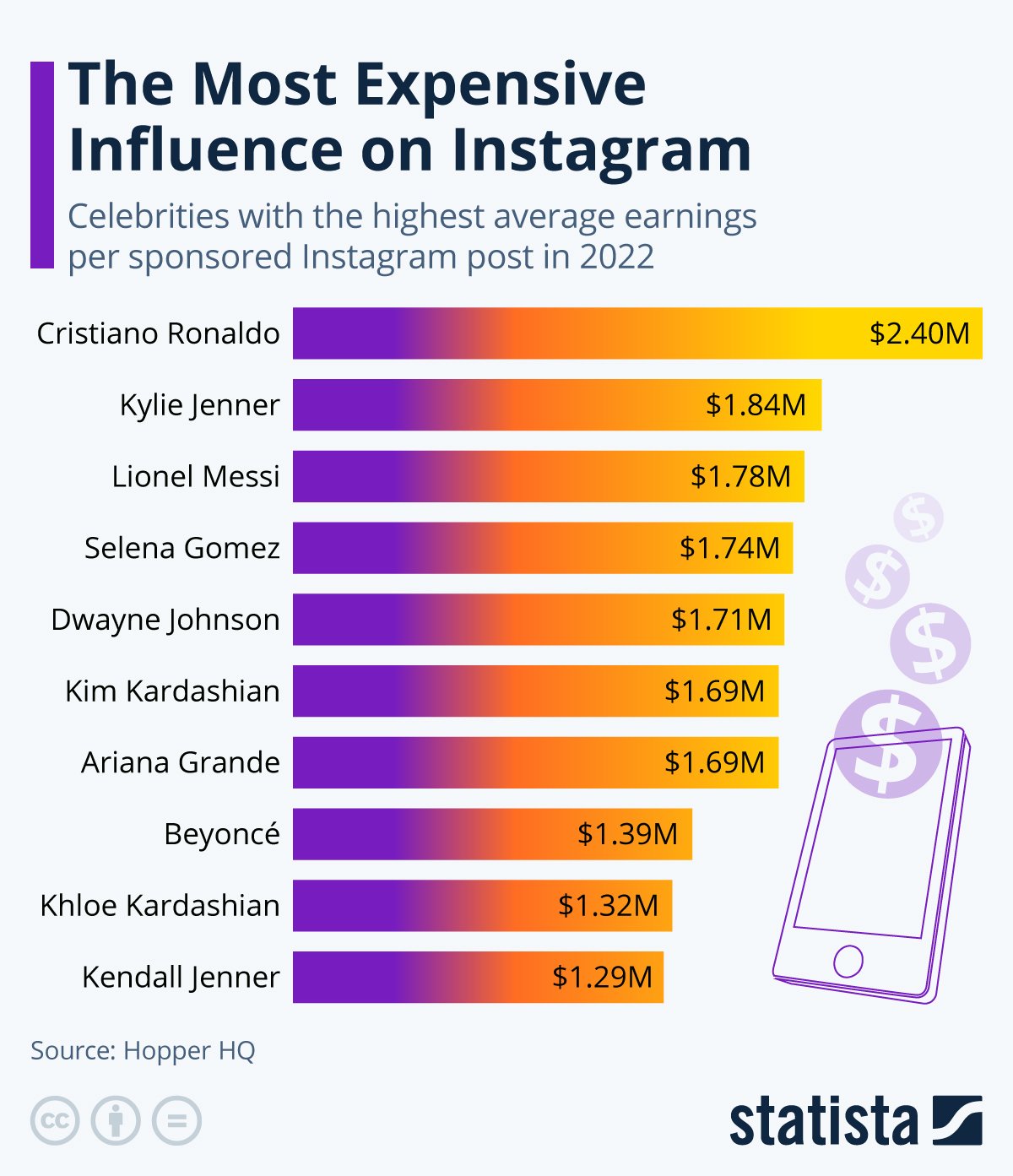
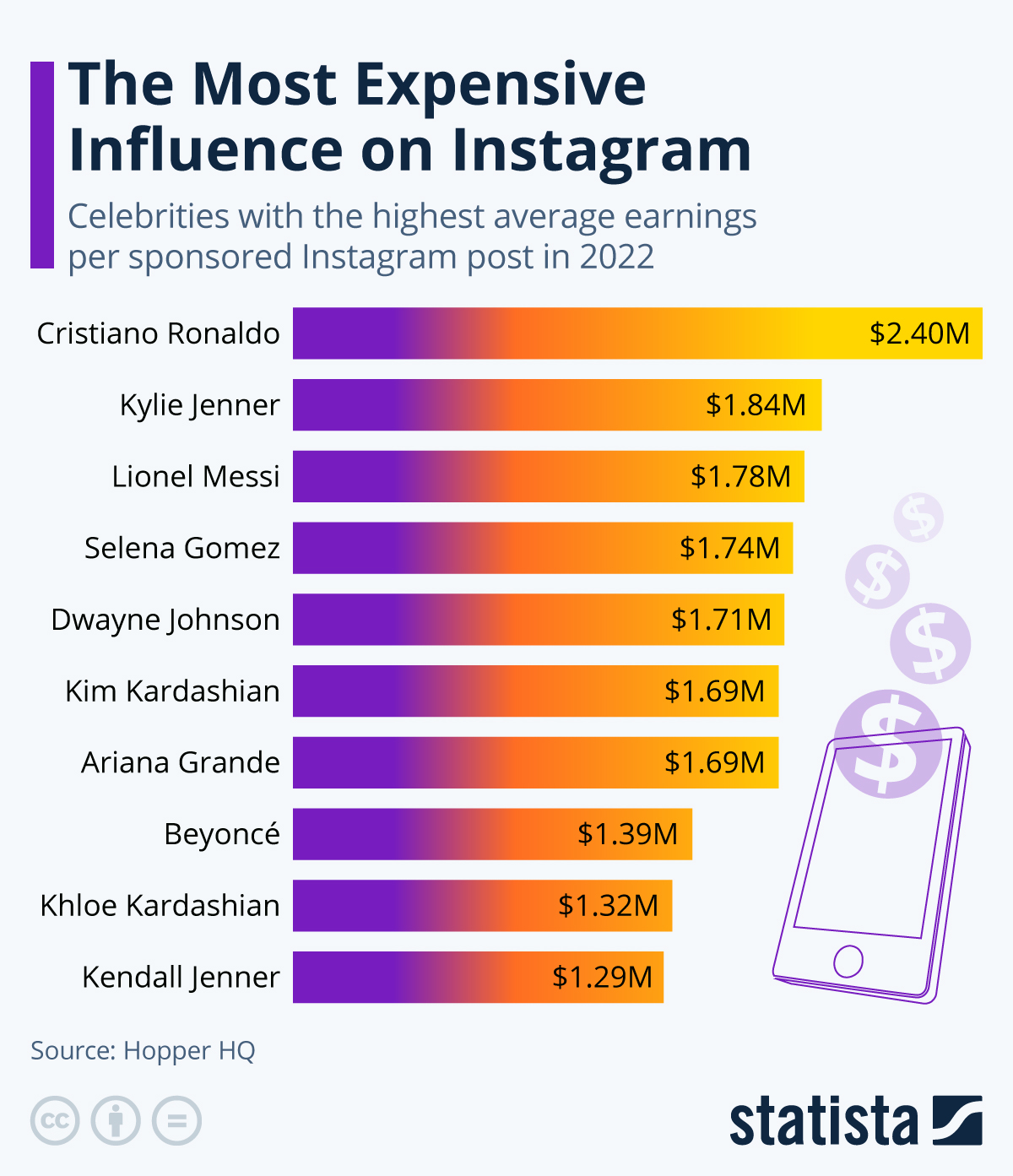
In the digital age, social media influencers have transformed personal branding into serious income streams. From viral content creators earning millions in hours to niche creators supplementing traditional jobs, the range of income in the influencer world is vast. A recent E! Entertainment gallery revealed earnings from a variety of influencers — from household names to content specialists — highlighting how different platforms, strategies, and audience sizes shape revenue.

The Upper Tier: Viral and Superstar Earnings

OnlyFans Phenomena: Instant Millionaires
Some influencers have leveraged subscription platforms to make extraordinary sums. One creator reportedly earned over $1 million in just three hours after turning 18, thanks to rapid OnlyFans success. Meanwhile, another popular OnlyFans creator disclosed that she made an astonishing more than $43 million in a single year on the platform, including massive payouts from individual subscribers.
These figures illustrate how platform choice and niche content — especially NSFW content on paywalled platforms — can skyrocket earnings far beyond traditional social channels.
YouTube and Snapchat: Consistent High Earners
Long-time digital stars also show impressive returns. One influencer who began on a children’s reality TV show shared that by posting hundreds of times per day on Snapchat and producing YouTube content, she earns a six-figure monthly income. Another social media personality with tens of millions of followers across platforms boasts a multi-million-dollar net worth, underscoring how scale and daily output correlate strongly with profitability.
Mega Creators With Diverse Revenue Streams
Some creators have turned personal brands into business empires. A major YouTube star with hundreds of millions of subscribers publicly called himself a “billionaire on paper,” though he explained that most of the money goes back into his enterprises rather than sitting idle in a bank account.
Similarly, prominent beauty influencers can earn tens of thousands per TikTok live session, boosted by fan gifts and product sales that supplement traditional sponsorships.
Mid-Tier Earners: Solid but More Modest Paychecks
Sponsored Posts and Brand Deals
Not every influencer earns millions. Many content creators build moderate lifestyles through sponsored content. For example, a rising influencer shared that she earns around $1,000 per TikTok sponsorship, a respectable amount for someone still building her platform.
Brand deals remain a consistent revenue source. According to industry breakdowns, micro-influencers (with tens of thousands of followers) can earn from hundreds to thousands of dollars per sponsored post depending on engagement and niche.
Occasional Big Offers and Strategic Choices
Some influencers receive lucrative one-off offers. One creator was once offered $100,000 to promote a brand across multiple platforms, though she declined the deal. These high proposals often come from brands seeking cross-platform visibility but are not guaranteed income for most creators.
Others find that consistent, long-term brand partnerships yield more stability than one-off gigs, especially when their audiences trust their recommendations.
Smaller Creators: Realities of the Influencer Hustle
Ad Revenue and Platform Monetization
Smaller influencers often survive off platform monetization. One ASMR creator revealed that, even with a loyal following, she earns around $56,000 per year solely from YouTube ad revenue derived from older videos — and that’s without producing new content. Another similar creator reported earnings of just a few thousand dollars in a month from TikTok and YouTube combined.
These figures contrast sharply with the upper echelon, illustrating how platform monetization alone isn’t lucrative unless paired with other income streams.
Supplemental Earnings and Side Hustles
Some influencers diversify with smaller but steady revenue. For instance, a creator focusing on finance tips earned nearly $59,000 from OnlyFans and about $124,000 as a TikTok content creator — respectable figures when combined as a full-time job.
Industry data suggests that normal social posts for nano-influencers often earn from a few dozen to a few hundred dollars per post, and monthly earnings can vary widely based on sponsored content, affiliate sales, and ad revenue.
What Influencer Income Looks Like Across Platforms
Follower Count and Pay
Income potential is strongly tied to audience size:
-
Nano-influencers (1K–10K followers): Tens to hundreds of dollars per post, often supported by sponsored freebies rather than cash deals.
-
Micro-influencers (10K–100K followers): Hundreds to several thousand dollars per sponsored post.
-
Macro-influencers (100K–1M followers): Thousands to tens of thousands per campaign.
-
Mega influencers (1M+ followers): Typically command five-figure or higher fees per post, alongside other revenue avenues.
Platform Variability
Earning models vary significantly across platforms:
-
Instagram/TikTok: Popular for brand deals and sponsored content, especially in lifestyle, fashion, and entertainment niches.
-
YouTube: Pays through ad revenue but scales with view counts and watch time.
-
Subscription platforms: Like OnlyFans, where niche or exclusive content can generate massive payout spikes.
Beyond Simple Paychecks: What Determines Success
Engagement Over Followers
Earnings isn’t just a numbers game. Engagement rates — likes, comments, video watch time — often matter more than raw follower counts. A smaller but highly engaged community may earn more than a larger but passive audience.
Diversification of Income
Successful influencers rarely rely on one revenue stream. Most top earners combine brand deals, ad revenue, live gifts, product sales, affiliate marketing, and even offline ventures like books, courses, or products.
Conclusion: Reality Check for Aspiring Influencers
Influencer income is real, but wildly unpredictable. For some, social media is a career that pays seven figures or more. For many others, it’s a part-time hustle or supplemental income. While a few viral success stories grab headlines, the broader creator economy shows a mix of modest earnings and strategic monetization.
In an ever-expanding digital marketplace, the influencers who thrive are those who diversify revenue streams, build authentic engagement, and adapt to changing platforms — proving that influence isn’t just about fame, but sustainable monetization strategies.