Ultimate Winter Skincare Guide: How to Keep Your Skin Hydrated Through Cold Storms
When temperatures plunge and icy winds whip across streets, your skin goes through more stress than most layers of clothing. That’s why, during winter storms, a strong skincare regimen isn’t just a luxury — it’s essential. Harsh weather accelerates moisture loss, disrupts your skin barrier, and often leads to dryness, redness, cracking, or irritation if you’re not prepared.
To help you fight winter dryness, top dermatologists recommend focusing on products and habits that boost hydration, lock in moisture, and protect the skin from environmental stressors. Here’s how to build a routine that keeps your complexion calm, supple, and storm‑ready.
Why Winter Weather Is Tough on Your Skin
Cold air naturally holds less moisture than warm air, which means your skin loses hydration more rapidly. Indoors, heaters strip humidity from the air too, leaving your skin drier than you realize. Frequent temperature shifts — icy outdoor air followed by hot indoor heat — can aggravate the skin’s natural barrier, making it more vulnerable to irritation and cracking.
During major winter storms, those effects intensify, as bone‑chilling winds and sub‑freezing temps accelerate evaporative moisture loss, leading many dermatologists to recommend adding extra hydration and barrier support to your skincare routine.
Ingredient Essentials: What Dermatologists Look for in Winter
Before we dive into products, let’s review the star ingredients dermatologists emphasize for cold weather protection:
Ceramides
Ceramides are lipids that occur naturally in your skin and play a vital role in strengthening the protective barrier. In winter, ceramide‑rich formulas help lock moisture in and shield the skin from dry air — and they’re recommended in skincare and body formulas alike.
Hyaluronic Acid
A powerful humectant, hyaluronic acid attracts and binds water to the skin, helping retain moisture even when humidity levels are low. It works well in serums and moisturizers for both face and body.
Shea Butter & Oils
Emollients like shea butter and plant‑based oils help soften skin while occlusives (such as petrolatum or heavier natural oils) create a protective layer that minimizes water loss.
Gentle, Fragrance‑Free Formulas
Fragrance and harsh alcohols can further dry or irritate winter‑sensitive skin, so dermatologists often recommend products without added scents or alcohol.

Building a Winter‑Proof Routine
Here’s a step‑by‑step guide to creating a winter skincare routine that keeps you comfortable and hydrated throughout even the harshest storms.
1. Start with a Gentle Cleanser
Winter isn’t the time for stripping foaming cleansers. Replace those with creamy, hydrating cleansers that remove impurities without eliminating your skin’s natural oils.
Dermatologist tip: Look for formulas with glycerin or hyaluronic acid — these attract and retain water in the skin. Avoid products with harsh detergents that can tighten and dry out skin.
2. Hydrating Toner or Essence (Optional)
If your skin feels particularly parched, a toner or essence infused with soothing, moisture‑attracting ingredients can help prepare your skin for serums and moisturizers.
Products with green tea, hyaluronic acid, or mild botanical extracts gently uplift hydration without irritation.
3. Layer with a Moisture‑Boosting Serum
Serums containing hyaluronic acid or niacinamide help draw moisture deep into the skin while supporting the skin’s natural barrier — a key step especially when the air outside is bone dry.
Applying serum while your skin is still slightly damp (right after cleansing) enhances absorption and locks in deeper hydration.
4. Rich Moisturizers for Maximum Hydration
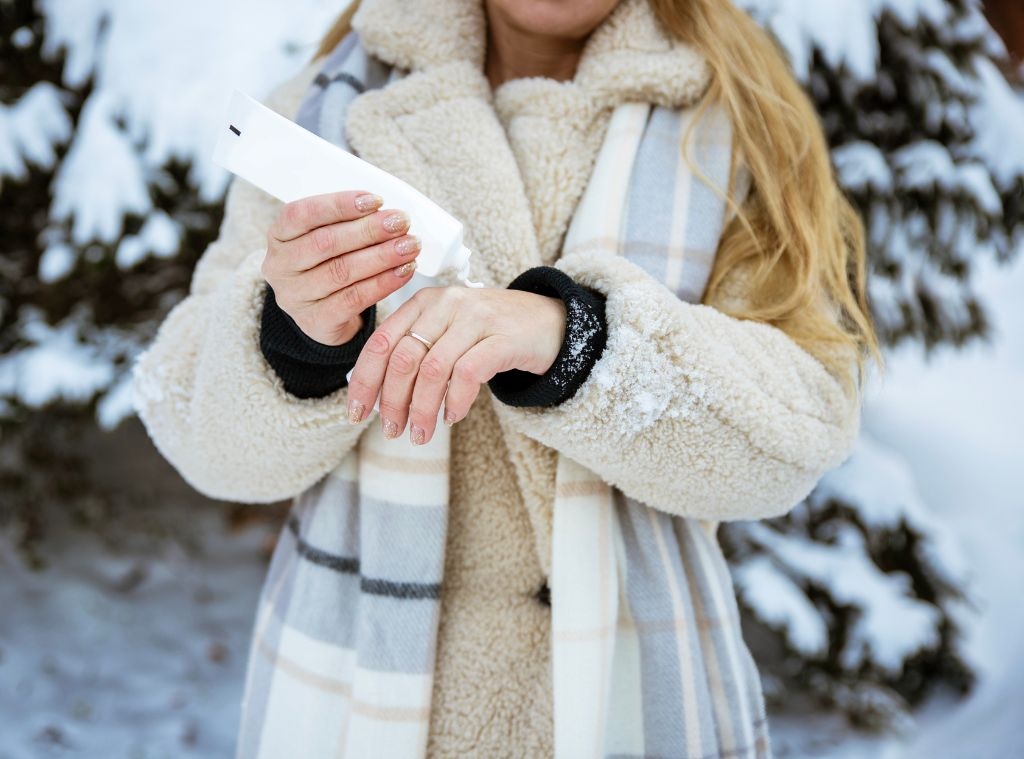
This is the backbone of your winter skincare routine. Switching to a cream or lotion with ceramides, hyaluronic acid, shea butter, or squalane helps provide a protective, long‑lasting moisture shield.
Dermatologists especially recommend:
-
Creams for extremely dry or flaky patches
-
Lotions with ceramides for everyday hydration
-
Ointments or balms for wind‑burned or cracked areas
These heavier formulas are superior to summer gels or light lotions because they prevent water loss and support barrier repair.
5. Protect with Sunscreen Every Day
Even on cloudy, snowy winter days, UV rays can reflect off snow and penetrate clouds. A broad‑spectrum SPF 30 or higher helps protect your skin from sun damage and prevent pigmentation, even in colder weather.
6. Don’t Forget Lips and Eyes
The skin around your lips and eyes is thinner and more prone to dryness. A specialized lip balm with beeswax, lanolin, or petrolatum and an eye cream with hydrating ingredients can prevent cracking and fine lines.Extra Habits That Make a Difference
Apply Moisturizer on Damp Skin
Dermatologists recommend applying moisturizer within minutes after showering or washing your face — while skin is still damp — to trap moisture before it evaporates.
Use a Humidifier Indoors
Central heating dries indoor air fast. A humidifier at home or in the bedroom can restore humidity levels, helping your skin stay hydrated instead of drying out.
Avoid Hot Showers
Though tempting, long hot showers strip your skin’s natural oils. Lukewarm water and shorter bathing times help preserve essential hydration.
Hydrate Internally
Drinking plenty of water and warm herbal teas supports your overall hydration, which is reflected on the outside. Cold weather often makes people drink less — so keep a water bottle handy.
Final Takeaway: Consistency Is Key
Winter storm conditions are unforgiving — but with a thoughtful routine based on dermatologist guidance, your skin doesn’t have to suffer. Focus on layered hydration, protective moisturization, and gentle, barrier‑strengthening ingredients to maintain a calm, nourished complexion from December through March.
By investing a bit of extra time in winter skincare now, you’ll protect your skin’s long‑term health, keeping it soft, elastic, and glowing even in the coldest months.